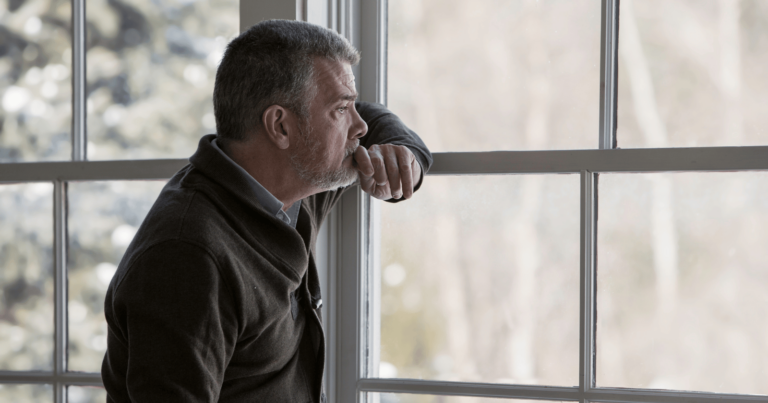
If you wake up the same time every morning without an alarm, psychology says you probably exhibit these 8 traits
Last winter in Alaska, I noticed something peculiar. Despite the darkness that cloaked our mornings until nearly 10 AM, I kept waking up at 6:47. Not 6:45 or 7:00 – always 6:47. No alarm needed. Just me, Thistle purring on my chest, and the stubborn predictability of my internal clock.
If you’re nodding along because you too have this uncanny ability to beat your alarm clock (or ditched it altogether), you’re experiencing something psychologists find fascinating. Your body isn’t just good at keeping time – it might be revealing deeper truths about your personality.
Here’s the thing: waking up at the same time every morning without an alarm isn’t just about being a “morning person.” It’s about having what researchers call a well-regulated circadian rhythm – your body’s internal 24-hour clock that orchestrates everything from hormone release to body temperature.
This rhythm tells your body when to sleep and when to wake up. It also affects several other body processes, like your hormones, digestion and body temperature. Think of it as having a tiny conductor inside you, keeping all your biological processes in sync.
But here’s where it gets interesting – not everyone’s conductor keeps the same beat. And those of us who naturally wake at consistent times? We tend to share some surprising personality traits.
1. You’re Highly Self-Disciplined (Even If You Don’t Feel Like It)
When I tell people I wake up at the same time every day without trying, they often assume I’m some kind of discipline guru. The truth is, I still leave dishes in the sink sometimes and have been known to binge-watch entire seasons of shows instead of finishing that chapter I’m writing.
But research suggests there’s something to their assumption. People high in conscientiousness show a strong tendency toward self-discipline, vigilance, and systematic behavior. If you’re naturally waking at the same time daily, your body is displaying a level of internal discipline that likely spills over into other areas of your life – even if you don’t always notice it.
2. You’re More Conscientious Than You Think
Remember that friend who always shows up five minutes early and somehow has their taxes done by February? They might be a natural early waker too. Of the Big Five traits examined so far, conscientiousness appears to have the strongest association with morningness.
This doesn’t mean you’re perfect. I’ve learned that conscientiousness shows up in subtle ways – like how I automatically reach for my water bottle first thing in the morning, or how I can’t start writing until my desk is clear. These small, consistent behaviors add up.
3. You Value Routine (But Not Rigidity)
There’s a difference between loving routine and being inflexible. Natural wake-timers tend to appreciate structure without being slaves to it. We create patterns that support us rather than constrain us.
In my case, waking at 6:47 gives me a quiet hour before the world demands anything. I don’t have a minute-by-minute schedule, but I do have rhythms – coffee while watching the sunrise (when we actually have one in winter), journaling with Thistle on my lap, then diving into whatever creative project is calling me.
4. You’re Naturally Proactive
A 2009 study published in the Journal of Applied Social Psychology found that morning people were more proactive than night people. But proactivity doesn’t always look like what you’d expect.
For me, it’s not about conquering the world before breakfast. It’s about using those consistent morning hours to set intentions, to think ahead rather than react. Some mornings, being proactive means writing three pages. Others, it means recognizing I need a slower start and honoring that.
5. You Have Strong Mind-Body Awareness
Waking naturally at the same time suggests you’re tuned into your body’s signals. This awareness often extends beyond sleep. You might notice you’re someone who:
- Feels hungry at regular times
- Notices energy dips and peaks throughout the day
- Can sense when you’re getting sick before symptoms fully appear
- Knows intuitively when something is “off” with your routine
This isn’t mystical – it’s biological. Your body is constantly communicating, and you’re listening.
6. You’re Likely More Agreeable
This one surprised me when I discovered it in the research. Other studies have also found a low but significant correlation between morningness and agreeableness — the tendency toward social harmony and being considerate.
I used to think my preference for morning solitude meant I wasn’t particularly agreeable. But agreeableness isn’t about being social – it’s about consideration and harmony. Maybe that’s why natural wakers often report feeling more patient and less reactive throughout the day.
7. You Handle Stress Differently
When your body maintains consistent sleep-wake cycles, it’s often better at managing stress hormones like cortisol. Under the control of the SCN via the paraventricular nucleus of the hypothalamus, cortisol secretion is rhythmic.
This doesn’t mean you don’t feel stress – trust me, I’ve had my share of 3 AM worry sessions. But there’s something grounding about knowing your body will wake you at the same time regardless. It’s one less decision, one stable point in an uncertain world.
8. You May Have Stronger Circadian Genes
Here’s the part that fascinated the philosophy major in me: some of us might be genetically wired for consistent wake times. Some of the better work in the topic area has been trying to identify the genes that are most tightly linked to morningness and eveningness.
This means your consistent wake time might be less about willpower and more about winning the genetic lottery. Though honestly, after years of waking at 6:47, I’m not sure if it always feels like winning – especially during those long Alaskan winters.
The Hidden Psychology of Natural Waking
What strikes me most about this research is how it challenges our assumptions. We live in a culture that glorifies the 4 AM wake-up call and the hustle of forced morning routines. But natural waking is different – it’s about alignment, not achievement.
Understanding these biological underpinnings can help us appreciate that being a morning person isn’t just about willpower or discipline. It’s a complex interplay of genetics, hormones, and environmental factors that shape our natural rhythms.
What This Means for You
If you’re reading this at 2 AM, wondering why you can’t be one of those people who springs out of bed at dawn, here’s what I want you to know: there’s nothing wrong with you. Your chronotype – whether you’re a lark, owl, or something in between – is valid.
But if you do wake naturally at the same time each day, recognize it for what it is: a sign that your body and mind are in sync. That synchronization often comes with the traits we’ve discussed, but it’s not a moral superiority. It’s simply one way of moving through the world.
The Unexpected Gift
Sometimes I wonder what I’d do with those extra minutes if I used an alarm and could hit snooze. But then I think about my morning ritual – the quiet house, Thistle’s warm weight, the way thoughts flow differently in those early hours.
There’s research suggesting that honoring our natural wake times, whatever they are, leads to better mental health and life satisfaction. So whether you’re naturally waking at 5 AM or noon, the key isn’t to force change but to understand and work with your body’s wisdom.
As I finish writing this, it’s late afternoon – not my peak creative time, but sometimes we write when we can, not when conditions are perfect. Tomorrow morning, though, I know exactly when I’ll wake up. And for the first time in years, I’m genuinely grateful for that predictable internal alarm clock.
Even if it does go off at 6:47 in the depths of an Alaskan winter.