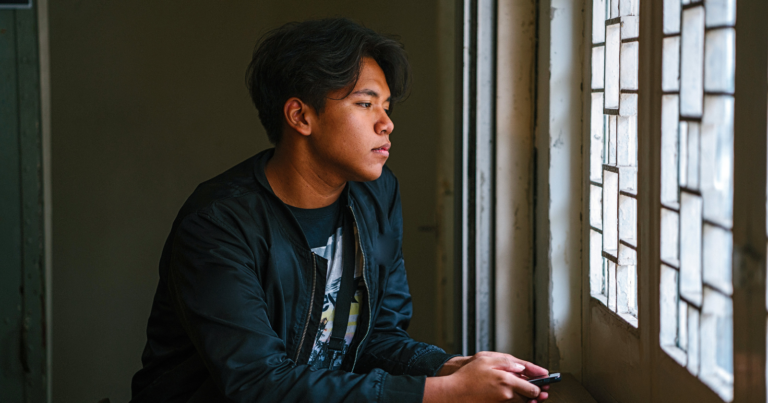
Psychologists say people who enjoy being alone often possess these 9 powerful traits
When I was younger, I used to think being alone meant something was wrong with you.
If you weren’t chasing the crowd, weren’t always “on,” weren’t filling every moment with noise—then you were weird. Maybe broken.
Turns out, the opposite might be true.
In fact, psychologists have studied this and noted that people who genuinely enjoy solitude tend to have some powerful psychological traits.
These aren’t shy, withdrawn loners—they’re often deeply self-aware, emotionally intelligent individuals who’ve simply stopped relying on external noise to feel whole.
Let’s get into it.
1. You’re emotionally self-sufficient
You don’t need constant affirmation, attention, or social plans to feel okay.
That doesn’t mean you don’t appreciate connection—it means your sense of worth doesn’t hinge on someone texting you back.
This kind of emotional autonomy is something many people spend decades chasing. But if you already feel at peace in your own company, you’re ahead of the curve.
Psychologists call this secure self-concept—your identity and emotional stability come from within, not from other people’s reactions.
It’s a powerful foundation.
2. You think deeply
People who are comfortable in solitude often spend a lot of time thinking—and not just surface-level thoughts.
They reflect, analyze, and zoom out to look at the bigger picture. They don’t just go through the motions—they question them.
That time alone? It’s a breeding ground for clarity.
This kind of introspection isn’t about overthinking every interaction. It’s about pausing long enough to actually hear your own thoughts.
And in a world that constantly demands speed, that’s a radical move.
3. You know how to self-regulate
Solitude forces you to face your emotions without distractions.
If you’re anxious, sad, or frustrated, there’s no crowd to blend into—just you and the feeling.
People who thrive alone tend to develop strong self-regulation skills. That means they can process difficult emotions without lashing out or running away.
They’re more in control of their impulses. More likely to respond, not react.
Not because they’re cold—but because they’ve practiced the art of sitting with discomfort and making peace with it.
Research confirms that voluntary and intentional solitude—not isolation—serves as a powerful form of affective self-regulation.
4. You’re not afraid of your own mind
This one’s underrated.
Some people avoid solitude because their thoughts are too loud. Being alone magnifies the internal noise they’ve been ignoring.
But if you’re at ease by yourself, it’s probably because you’ve faced that noise. You’ve sorted through it. Or at least made peace with it.
This takes serious inner strength. Most people run from it their whole lives.
So if you can sit with your own thoughts and not crumble, you’re doing something right.
5. You’re naturally independent
Being alone doesn’t scare you. It energizes you.
You don’t need someone else to go with you to that café, museum, or hike. You don’t wait for the perfect plus-one to experience life.
That kind of independence is more than just practical—it’s philosophical. It means you’re living on your own terms, not waiting for someone to give you permission.
You’re not trying to prove anything. You’re just… doing your thing.
And that kind of freedom? It’s rare.
6. You’re selective with your energy
When you’re used to being alone, you don’t throw your energy around casually.
You don’t need a hundred friends or endless surface-level conversations. You crave depth.
You’re the type who can talk for hours about ideas, philosophy, or what someone’s struggling with—but you’ll shut down if it’s all small talk and performative smiles.
It’s not about being antisocial. It’s about conserving your energy for real connection.
As Carl Jung once wrote, “Loneliness does not come from having no people around you, but from being unable to communicate the things that seem important.”
Exactly.
7. You’re creatively fertile
Some of the most creative breakthroughs happen in solitude.
When you’re alone, your brain isn’t busy navigating social cues or pleasing the crowd. It’s free to wander.
This is where new ideas are born—during long walks, aimless doodles, or silent showers.
There’s even a term for this in psychology: default mode network. It’s the brain network that lights up when you’re not focused on the outside world.
It’s often when your most original thoughts appear.
If you’ve ever had a sudden insight while folding laundry or staring at the ceiling, you know what I mean.
8. You value authenticity over approval
When you spend time alone, you stop performing.
You’re not playing to the crowd, tweaking your opinions to match the room, or trying to impress people who don’t matter.
You get real.
Over time, that honesty starts bleeding into your social life too. You become more unapologetic. Less likely to fake it.
And here’s the twist—this makes your relationships better, not worse.
Because the people who stick around? They’re connecting with the real you. Not the filtered version.
Research reveals that authenticity—being true to one’s values and feelings—is strongly linked with greater well-being, engagement, and relational satisfaction.
That kind of authenticity is rare. And it usually starts in solitude.
9. You’re comfortable with uncertainty
One of the most powerful traits of those who embrace solitude is this: they’ve made peace with the unknown.
Solitude brings silence. And silence brings questions.
What am I doing with my life?
What do I actually want?
Who am I when no one’s watching?
These aren’t easy questions. Most people drown them in noise, distraction, and social validation.
But if you’ve sat with those questions—if you’ve let them simmer—you’ve likely developed a kind of quiet resilience.
You’re not chasing absolute answers. You’re just learning to live in the question.
And that, in my book, is strength.
Final thoughts
There’s a difference between being alone and being lonely.
One drains you. The other restores you.
If you’re someone who enjoys your own company, don’t let the world convince you it’s a flaw to fix. It might just be your superpower.
Not everyone is built for solitude. But those who are tend to walk through life with depth, clarity, and a kind of quiet power that doesn’t need to be loud to be felt.
And in a world obsessed with more—more friends, more attention, more noise—there’s something radical about choosing less.
Choosing quiet.
Choosing yourself.