A radiator that burbles away in the corner, or that runs hot at one end and cool at the other, is almost always holding trapped air, and Martin Lewis told ITV viewers this month that the answer is to bleed it. The tool is cheap, with a brass radiator valve key listed at 99p by Screwfix, though that price did not come from Lewis. The part people get wrong is the valve itself, and British Gas is blunt about it: open it only a little, then check the boiler still sits between 1 and 1.5 bar once the heating is off.
What Martin Lewis actually said on ITV
Lewis covered winter heating on The Martin Lewis Money Show Live on ITV1 on Tuesday 10 November 2026. His radiator advice was quoted by the Mirror on 18 November.
He told viewers to walk round the house and turn down the radiators in rooms that are not being used, which is what the knobs are for. Then came the diagnosis. If radiators are “not warm all the way through” or they are “making gurgling noises”, he said, “You need to bleed them.”
He added a safety instruction that is easy to skip in a cold house, which is that the radiators must be turned off first, so nobody scalds themselves.
Lewis named no brand, no tool and no price. The Mirror stated plainly that “Martin Lewis does not mention a specific tool for bleeding a radiator”. The 99p figure is the paper’s own addition, and it points at Screwfix.
The 99p key, and what the valves might actually take
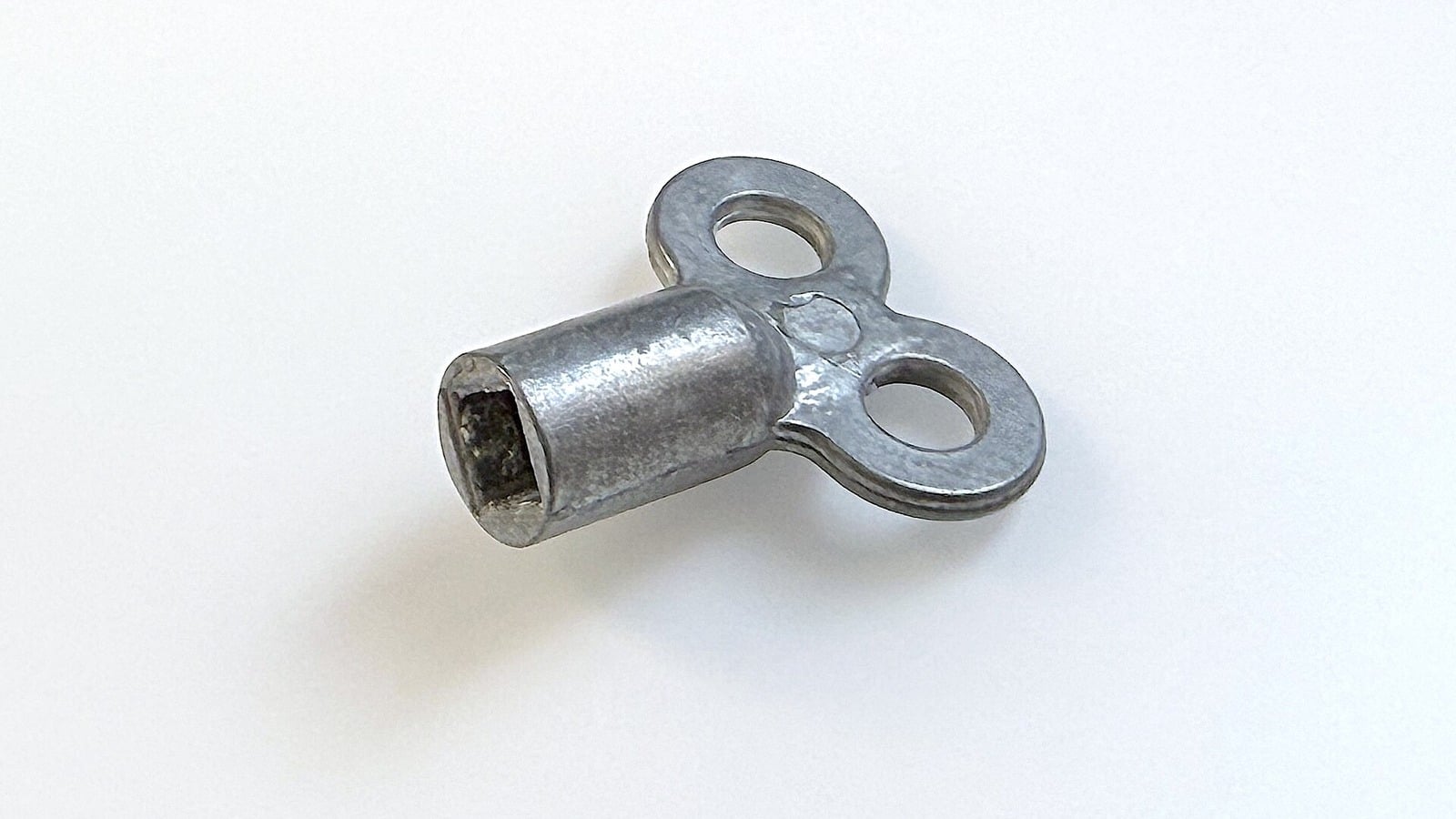
The item in question is Screwfix listing 16909, a Radiator Valve Key in brass construction at £0.99 inc VAT. It is the small clock-key shape that fits the square spindle on an older bleed point, and at that price a spare is easy to keep in a drawer.
Check the radiator before buying anything, because some newer radiators do not use that square spindle. British Gas says modern radiators can be bled with a flat-head screwdriver instead. The bleed point is usually a small square-headed spindle at the top corner of the radiator.
British Gas adds that if the valve is tough to open, a cloth gives a better grip.
The British Gas method, step by step
The British Gas guide to bleeding a radiator sets out the order of work. Its test for a radiator that needs doing is one that runs hot at the bottom and cold at the top, and it says to listen for gurgling too.
- Turn the heating off and let the radiators cool. This is the same point Lewis made on air. British Gas warns that with the heating on, the water and air inside become dangerously hot and could scald.
- Lay a towel under the valve and keep a container to hand, such as an old mug or a small tub, to catch what comes out.
- Fit the key or screwdriver to the bleed valve at the top of the radiator and turn it slowly anti-clockwise. Open it only slightly. British Gas warns: “Do not open the valve all the way, you could cause a big drop in boiler pressure”.
- Listen for the hiss of escaping air. When the hissing stops and water comes out in a steady stream, close the valve by turning it clockwise.
- Clean up any excess water and move on to the next radiator on the list.
Then check the boiler, because this is the step that turns a quick job into a cold evening if it gets missed. British Gas says boiler pressure “will decrease a bit after bleeding”, which is normal. The gauge should read 1.0 to 1.5 bar when the system is off, and about 2 bar when it is running.
If the reading has dropped below that range, re-pressurise the system using the filling loop. Once the pressure is right, turn the heating back on and check all the radiators again. British Gas says they should all be warming up properly.
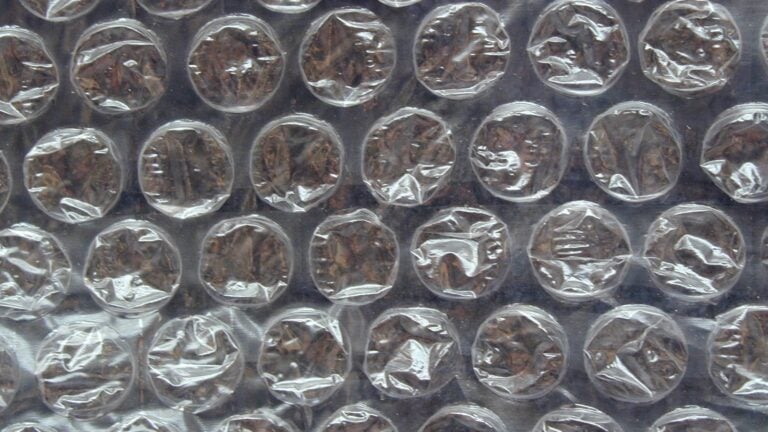
Bleeding gets the air out of the system. It does not stop heat escaping through the glass, and for that a second low-cost winter job is worth a look, with bubble wrap taped to window panes one option for single-glazed rooms.
British Gas says that if a radiator still does not heat up after bleeding, it could be a boiler issue.
Damp windows are the other winter problem, and our look at washing-up liquid on windows and condensation explains what that trick really does. Colder weather is also when other household jobs pile up. Our guide to keeping rats out of sheds as it turns cold covers one more.
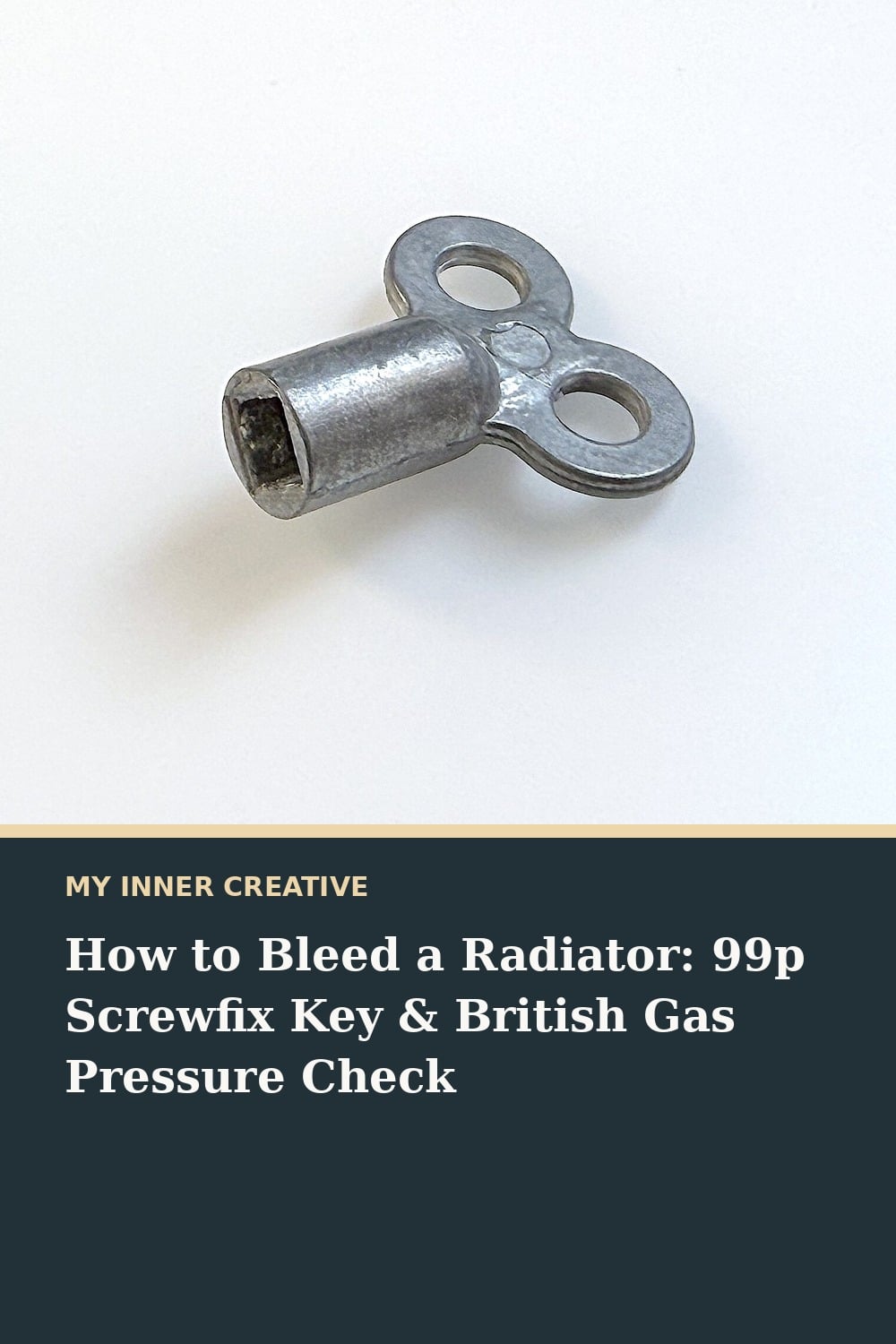
Featured image: a square-socket metal radiator bleed key. Photo: Nicbou, CC0, via Wikimedia Commons. Pinterest pin: typography added to a crop of the same photo.