The gaps worth worrying about are smaller than most people check for. The British Pest Control Association says rats need only a 15 mm gap, about 0.6 inch, to squeeze into a building, and mice can use an opening roughly the width of a pencil eraser. Cold weather pushes both species toward dry, undisturbed, food-adjacent spaces, and a garden shed ticks every box. Sealing the structure now is cheaper and cleaner than dealing with an established population in January.
The gaps that matter and the signs that something already moved in
Before sealing anything, walk the shed inside and out in good light. The BPCA guidance, published on 29 October 2024 with input from Technical Manager Natalie Bungay, points to a short list of giveaways:
- Droppings along walls, on shelves, or inside stored boxes.
- Shredded nesting material such as paper, fabric scraps, or insulation.
- Footprints in dust along walls and floorboards.
- Gnaw marks on wood, pipes, cables, metal, and even brickwork. Rats and mice chew constantly to keep their teeth worn down.
Chewed cables are the expensive version of this problem, and chewed stored goods are the annoying one. Seed packets, cardboard, and craft supplies all become nest lining.
One mark often gets misread. Thin stripped lines running along a wooden shed wall or a bench are usually the work of wasps harvesting wood fibers for nest building, not rodents. Wasps abandon their nests in autumn, so an undisturbed nest in a low-traffic corner can generally be left alone.
A step-by-step proofing and cleanup routine
Work from the building outward. Proofing fails when the shed is sealed but the yard still offers food, water, and cover.
- Seal every opening. Pack cracks, pipe openings, and gaps around doors, vents, and floorboards with wire wool, then set it with quick-drying cement. Sturdy metal mesh or flashing works where a larger span needs covering.
- Check the door line. Daylight under a shed door is an open invitation at 15 mm. Close the gap with wire wool and quick-drying cement, or with sturdy metal mesh or flashing where the span is wider.
- Cut back the cover. Trim long grass and dense undergrowth around the base of the shed. The BPCA calls undergrowth a “covered highway” for rats and mice.
- Move the bird feeders. Site them as far from buildings and sheds as the yard allows, and pick up fallen fruit from under trees.
- Remove the water. Empty watering cans, buckets, and bird baths of standing water, and keep outdoor bins tightly shut.
- Manage the compost heap. Cover it, keep it moist, and turn it regularly so it does not become warm winter harborage as well as a food source.
- Lock down the food. Birdseed, grass seed, bulbs, and pet food belong in sealed heavy-duty metal containers or thick lidded bins, stored off the floor.
Shed storage deserves a second look at this time of year, because seasonal craft materials tend to land there. Wire hangers, ribbon, and dried foliage left over from a project such as a coat hanger Christmas door wreath make excellent nesting material in a cardboard box. Sealed heavy-duty metal containers with tight lids, kept off the floor, solve that in one move.
Traps, poison, and when to call a professional
The order of response is settled. BPCA guidance built around the CRRU risk hierarchy puts environmental management and physical proofing first, physical traps second, and chemical rodenticides only when lower-risk options are not enough.
Traps need patience. Rats are neophobic, meaning they are wary of new objects in a familiar space, so a trap or bait station may sit untouched for days before anything investigates it. Set them where droppings or gnaw marks already show activity, then leave them alone.
Poison carries three problems that are easy to underestimate:
- Secondary poisoning. Barn owls, scavengers, and pets can be poisoned by eating a rodent that has already taken bait.
- Odor. A poisoned rat often dies inside a wall or shed cavity, which can mean weeks of smell and no easy access to the body.
- Resistance. Genetic anticoagulant resistance, the “super rats” documented in Reading University and CRRU research, is spreading, and improper amateur poison use accelerates it.
Once an infestation is established, the BPCA recommends calling a trained professional assessed to BS EN 16636, the European standard for pest management. Those technicians work to integrated pest management principles rather than relying on DIY poison.
For most sheds, the winter job is much smaller than that. Wire wool, a bag of quick-drying cement, a string trimmer, and a set of lidded metal bins cover the 15 mm problem before it becomes a nesting problem.
Cold-weather home jobs do not stop at the shed. See also what bubble wrap taped to a window does in winter.
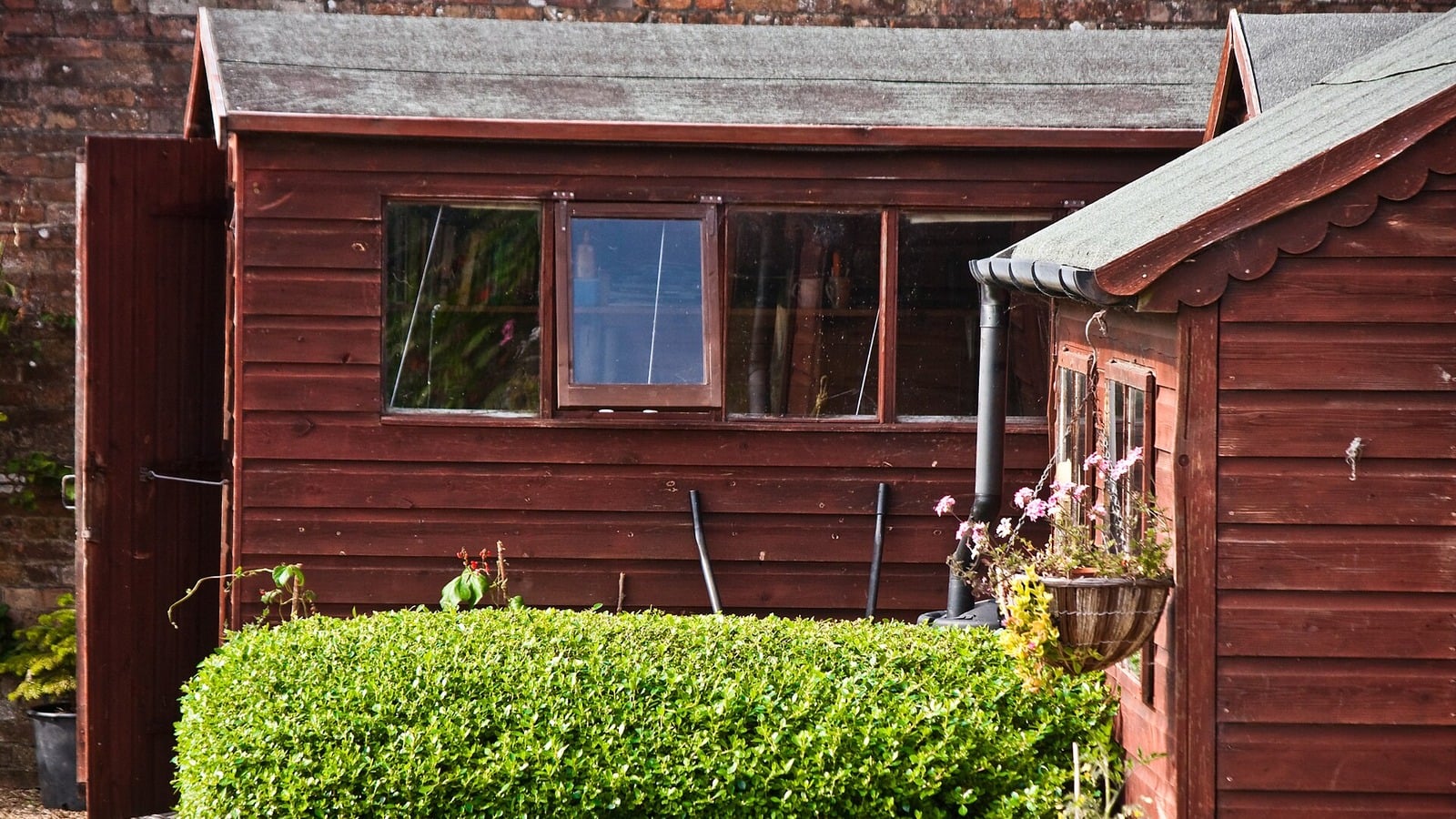
Photo: Garry Knight from London, England, CC BY 2.0, via Wikimedia Commons.